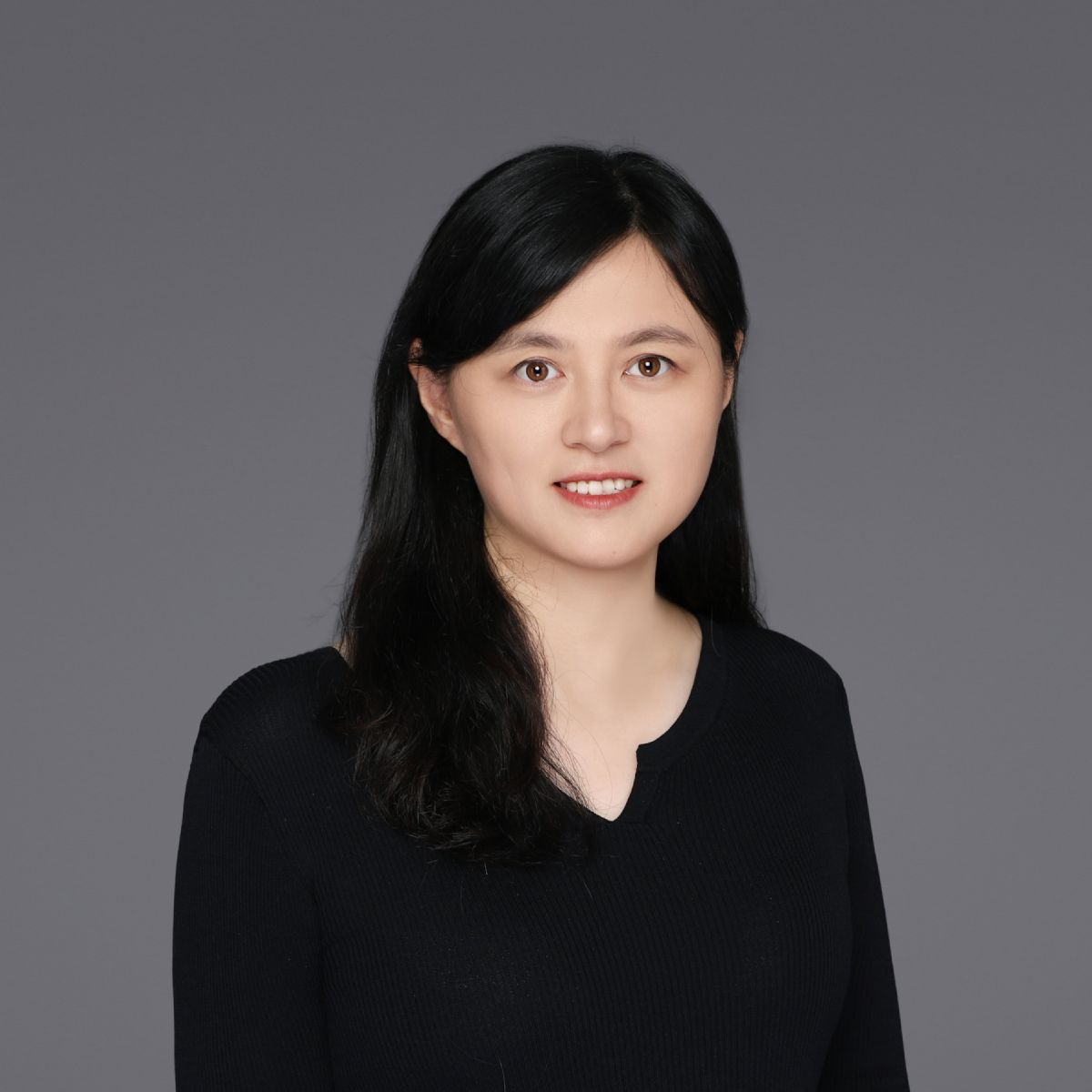
Tutorial Speaker
Yingying Wang
Linfiber Technology (China)
Breaking the Loss Barrier: Hollow-Core Fibers from Physical Limits to Mass Production
Enter your registered email and the visual code displayed below to proceed with the forgotten password process:
Yingying Wang received her bachelor’s degree from Beijing Jiaotong University, China, in 2005, and her Ph.D. degree from the University of Bath, U.K., in 2011. In November 2019, she joined Jinan University, Guangzhou, where she is currently a Professor at the Institute of Photonics Technology, College of Physics & Optoelectronic Engineering, and established the Microstructured Optical Fiber research group. In January 2024, she founded Linfiber Technology, a company focused on the development of ultralow-loss hollow-core fiber technologies for datacom and telecom applications. She has authored or co-authored over 100 peer-reviewed publications and delivered numerous invited and post-deadline talks at major conferences. Her contributions to hollow-core fiber technology—including the hypocycloid-core Kagome fiber, conjoined-tube hollow-core fiber, and interstitial-tube-assisted DNANF fiber—are widely recognized within the community.
Yingying Wang
Breaking the Loss Barrier: Hollow-Core Fibers from Physical Limits to Mass Production
Toshihiko Baba received the Ph.D. degree from Yokohama National University in 1990. He became an associate professor and a full professor at the same university in 1994 and 2005, respectively. His research interests include ARROW waveguides, VCSELs, micro- and nano-lasers and spontaneous emission control, photonic crystals, silicon photonics, slow light, biosensors, high-speed modulators, and solid-state LiDAR. He is a Fellow of IEEE, Optica, and JSAP, and an Associate Member of the Science Council of Japan. He served as a Vice President of JSAP during 2018–2020 and 2026–2028. He received the JSPS Prize in 2006, served as an IEEE/LEOS Distinguished Lecturer in 2006–2007, received the Commendation for Science and Technology from MEXT in 2016, and was awarded the Medal with Purple Ribbon in 2024.
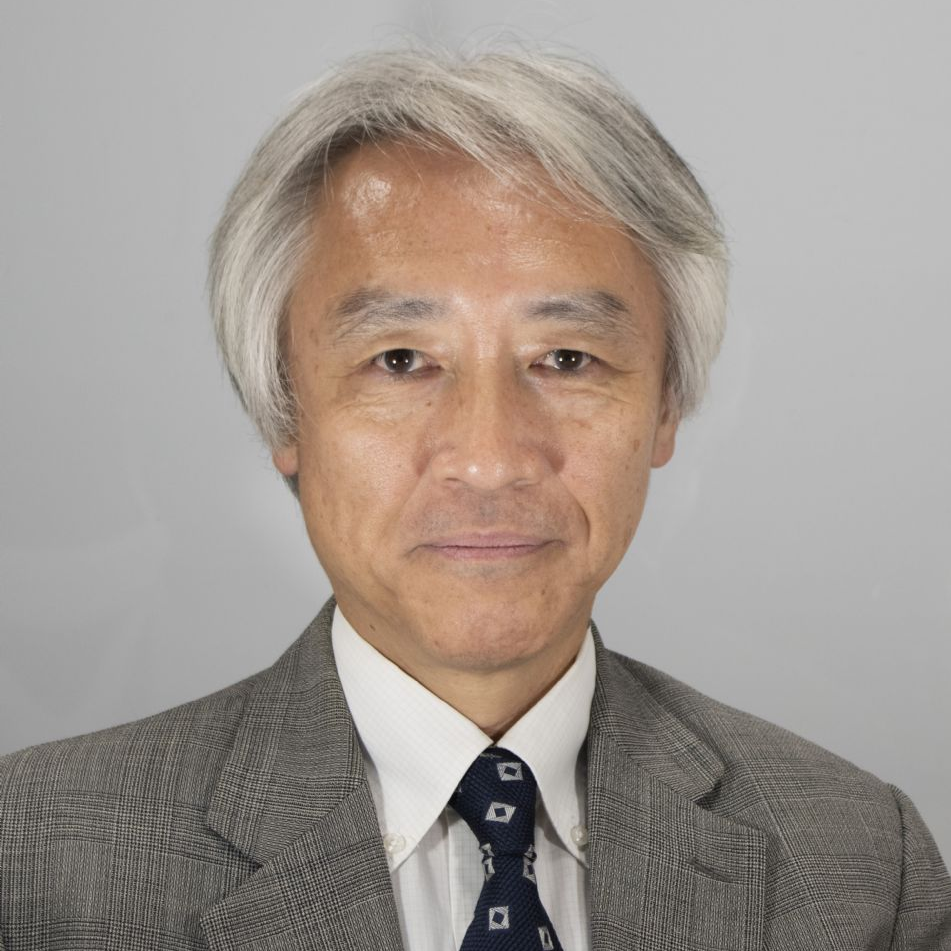
Toshihiko Baba
Silicon slow-light-based modulators and high-efficiency optical transmitters
Paolo Pintus is an Associate Professor at the University of Cagliari, Italy, and an affiliated researcher at the University of California, Santa Barbara, USA, and the Central European Institute of Technology in Brno, Czech Republic. His research interests focus on silicon photonics, optoelectronic devices, and computational electromagnetics. He received the M.S. degree with honors in electronic engineering from the University of Cagliari in 2007 and the Ph.D. degree with honors in telecommunication engineering from the Scuola Superiore Sant’Anna, Pisa, Italy, in 2012. He was a Research Fellow at the Scuola Superiore Sant’Anna (2012-2016) and a Project Scientist at the University of California, Santa Barbara (2016-2022). Dr. Pintus holds seven patents and has co-authored over 100 peer-reviewed publications. He serves as an Associate Editor for Optics Express and was a program committee member for Optica IPR, PSC, IEEE Silicon Photonics, IEEE Summer Topicals, and CLEO. He is an IEEE Senior Member.
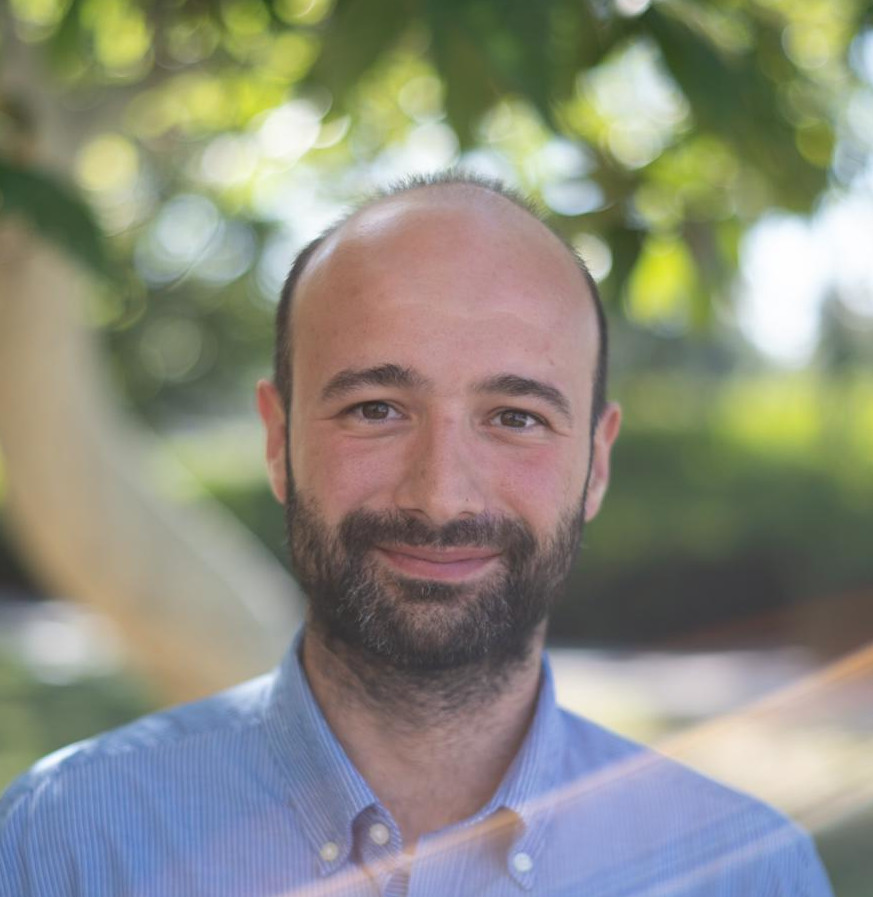
Paolo Pintus
Nonreciprocal integrated magneto-optics: from optical isolators to new applications in communications, sensing, and computing
Darko Zibar is currently Professor at the Department of Electrical and Photonics Engineering, Technical University of Denmark and the group leader of Machine Learning in Photonics Systems (MLiPS) group. He received M.Sc. degree in telecommunication and the Ph.D. degree in optical communications from the Technical University of Denmark, in 2004 and 2007, respectively. He has been a Visiting Professor at Politecnico di Torino, Friedreich Alexander University of Erlangen, University of California Santa Barbara and University of Colorado, Boulder. His research efforts are currently focused on the application of digital signal processing and machine learning techniques to advance classical and quantum optical communication and measurement systems. Some of his major scientific contributions include: record capacity hybrid optical-wireless link (2011), machine-learning-enabled record-bandwidth (S+C+L band) programmable gain Raman amplifier (2019) and a novel measurement technique for phase-noise source separation (2023).
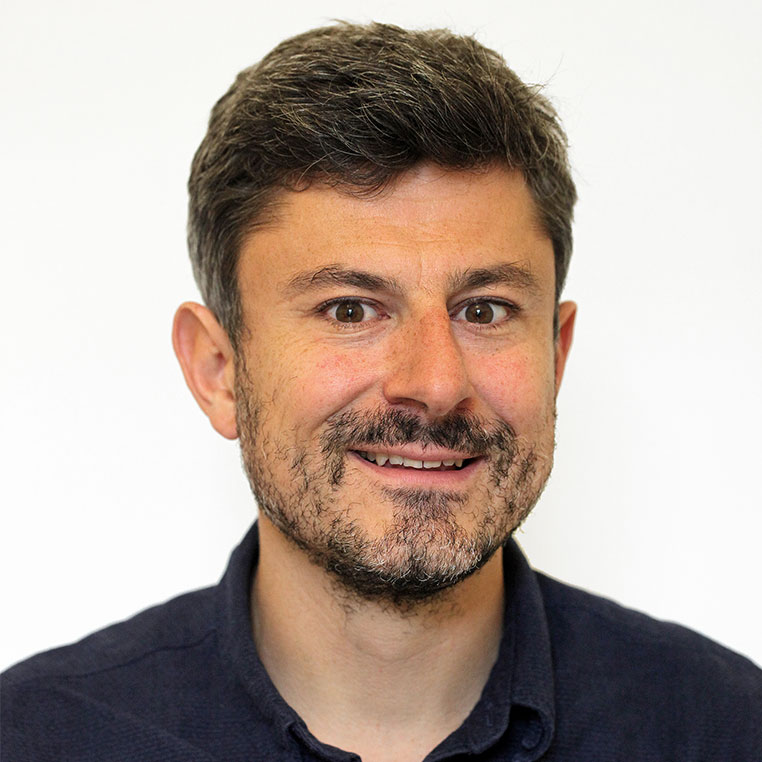
Darko Zibar
Communication engineering in the age of AI
Ruben S. Luis is a Chief Senior Researcher at the Photonic Network Laboratory of the National Institute of Information and Communications Technology (NICT), Japan. His research focuses on advanced optical fiber transmission systems, with particular emphasis on ultra-wideband, space-division multiplexing and ultra-high-capacity multicore and multimode fiber technologies. He received his Ph.D. from the University of Aveiro, Portugal, in 2007 and has experience spanning both academia and industry. Dr. Luis is a Senior Member of IEEE, a Fellow of Optica, and an Associate Editor of IEEE Photonics Technology Letters and the IEEE/Optica Journal of Lightwave Technology.
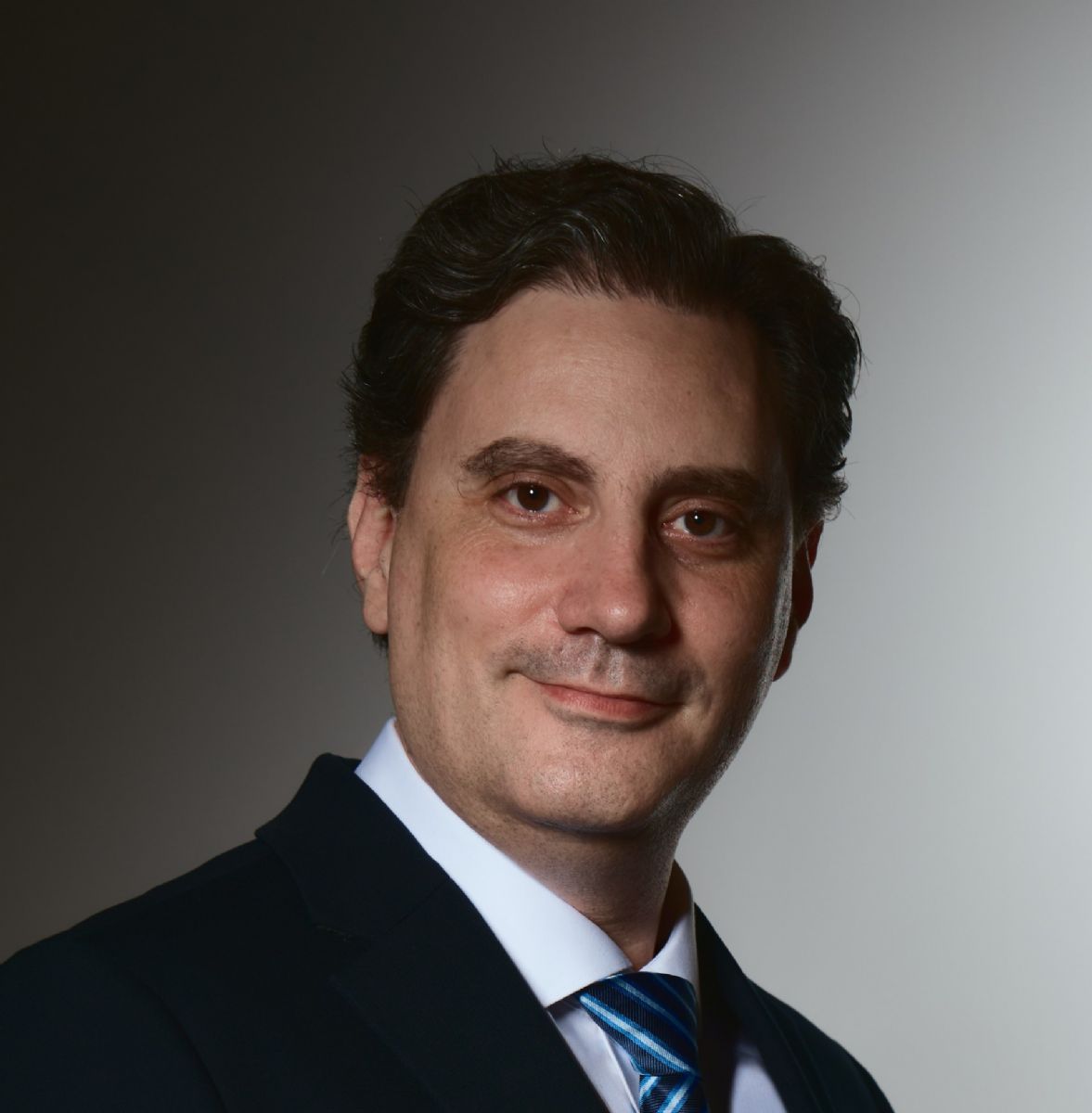
Ruben Luis
High capacity SDM transmission
"Russell Davey graduated with a first-class honours degree in physics from Balliol College, Oxford, U.K. in 1989. He obtained a PhD in physics from Strathclyde University, Glasgow, U.K. in 1992 for his research into ultrashort pulse generation in erbium doped fibres. He obtained an MSc in telecommunications engineering from University College, London, U.K. in 2001.
He has worked for BT since 1994 on various aspects of optical fibre networking research and development including optical access (FTTP) and core transmission, based throughout at BT’s Adastral Park research and development site near Ipswich, U.K , and has authored over eighty publications. He has worked as Optical Network Architect since 2013. He is a BT Fellow , Chartered Engineer and a Fellow of the IET (FIET)."
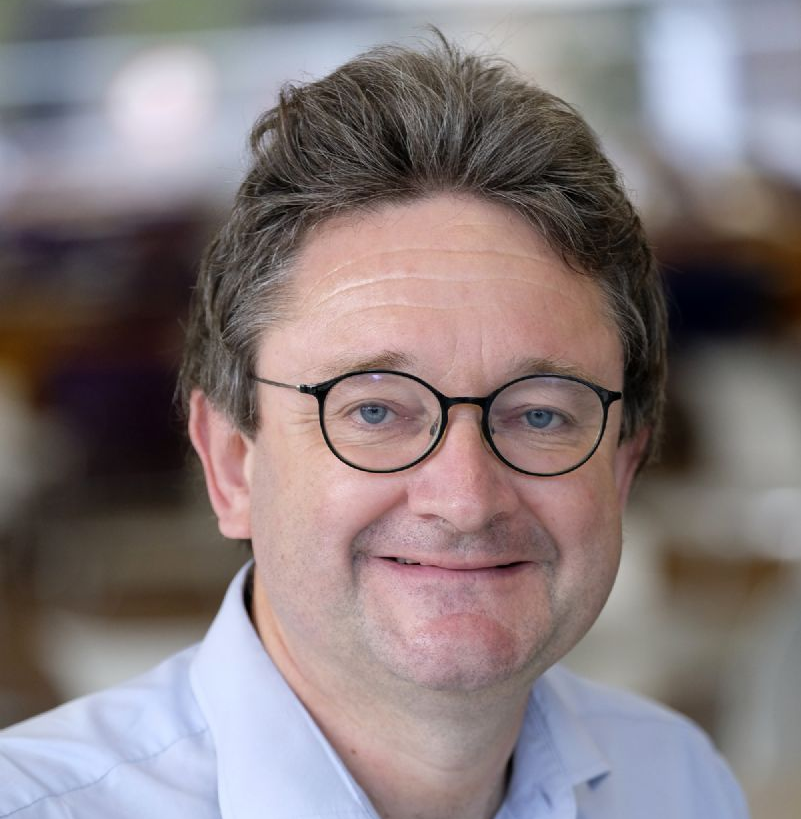
Russell Davey
Optical fibre communications and network innovations: the past 60 years and what the future holds
Dr. Effenberger has worked in the optical access field for over 30 years at Bellcore, Quantum Bridge Communications (Motorola), and Futurewei Technologies, where he is now the Fellow for fixed access network technology. His team works on forward-looking fiber access technologies and has played a foundational role in the development of all the major PON systems in use today. Frank is the rapporteur for ITU-T Q2/15, which is the world’s premiere group developing the standards for fiber access networks. He is a Fellow of the OSA and the IEEE, and holds 140 US patents.
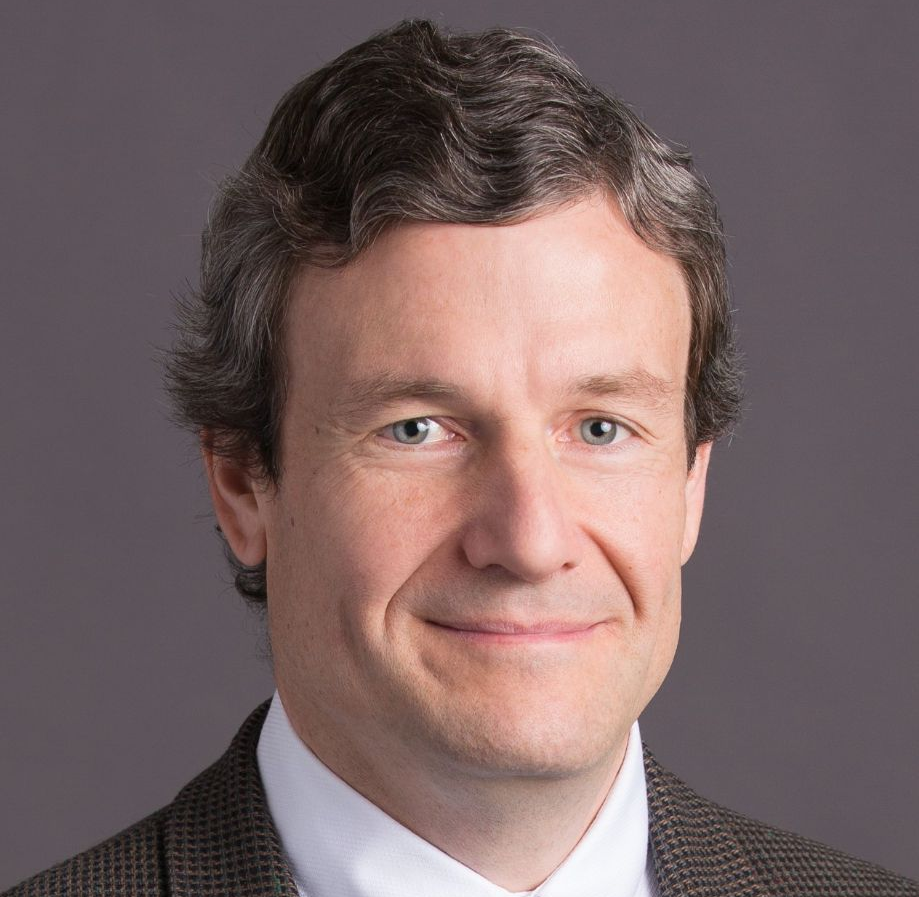
Frank Effenberger
25 years of PON standardization - Tracking the evolution of technology and its market
Luc Thévenaz (M.Sc., Ph.D., University of Geneva) is Emeritus Professor at EPFL, where he led a photonics group pioneering distributed fibre sensing. His research spans fibre sensors, slow/fast light, nonlinear optics, and laser spectroscopy. He is renowned for advancing stimulated Brillouin scattering in fibres — enabling breakthroughs in distributed sensing. He co-founded Omnisens (2000) to commercialize these technologies. He has held visiting positions at Stanford, KAIST, Tel Aviv, Sydney, and Valencia. Thévenaz has shaped major conferences (OFS, ECOC, CLEO-Europe, APC) and served as Associate Editor for IEEE Photonics Technology Letters and Journal of Lightwave Technology. He is now Co-Executive Editor-in-Chief of Light: Science & Applications (Nature). Fellow of IEEE and Optica, and Member of the Swiss Academy of Engineering Sciences.
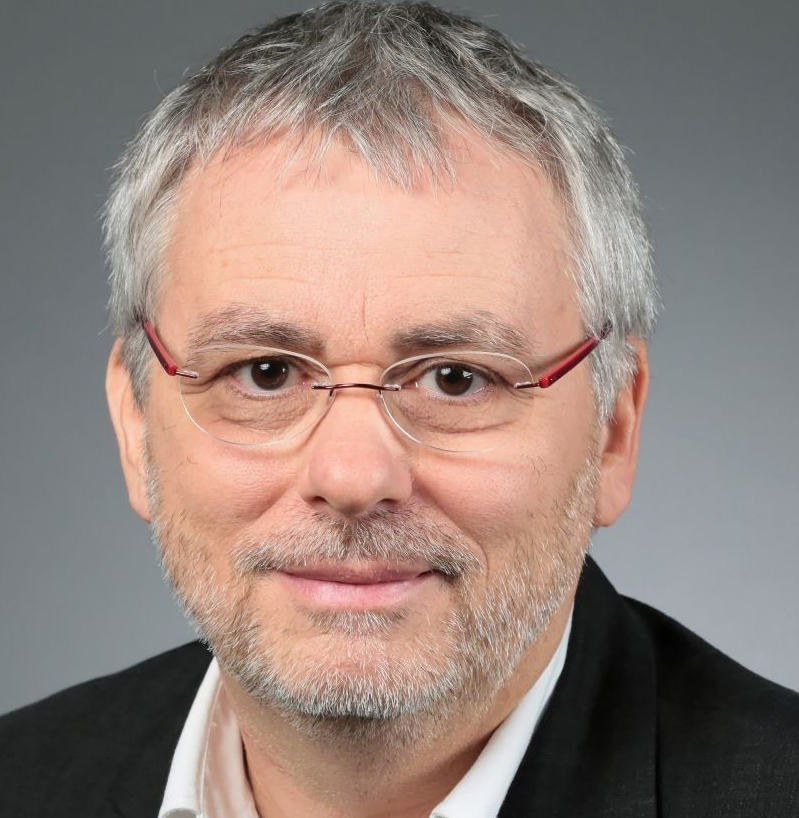
Luc Thévenaz
Distributed Optical Fibre Sensing: Where Elegant Physics Gives Rise to Smart Systems
Aniceto Belmonte is Professor of Signal Theory and Communications at the Technical University of Catalonia, BarcelonaTech. His research focuses on free-space optical (FSO) communications, with emphasis on coherent optical link design under atmospheric turbulence. His work bridges theoretical analysis and system-level design, with applications from spatial-mode multiplexing to robust coherent detection. His current interests include turbulence-aware beam design, modal optimization, and the development and application of coherent FSO aperture arrays for satellite links and next-generation optical networks.
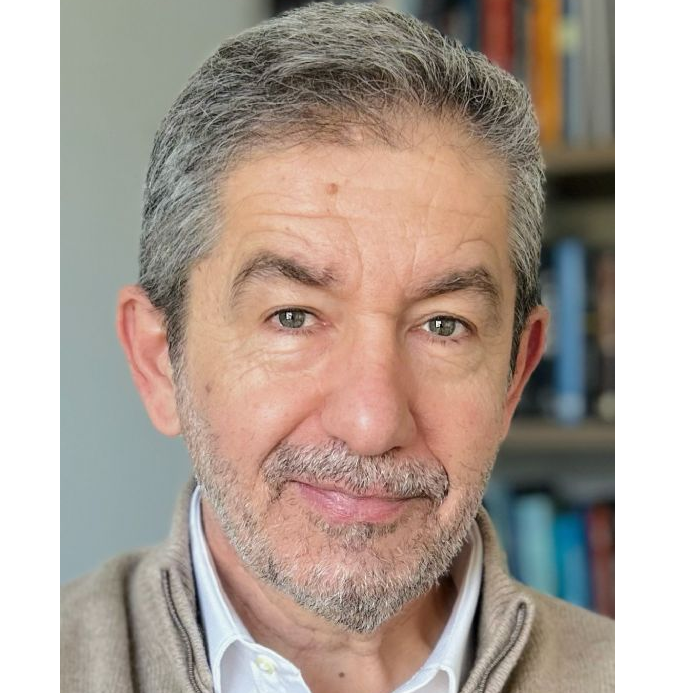
Aniceto Belmonte
Coherent Free-Space Optical Communications in Atmospheric Turbulence: Principles, Limits, and Emerging Strategies
"Andrea Sgambelluri is a tenure track Assistant Professor at the Sant’Anna School of Advanced Studies in Pisa, Italy.
In March 2015 he won the grand prize at 2015 OFC Corning Outstanding Student Paper Competition. He received her Ph.D. degree in 2015 from the Sant’Anna School of Advanced Studies.
In 2016 he was postdoc researcher KTH Royal Institute of Technology ONLab.
His main research interests are in the field of control plane techniques for both packet and optical networks, including Software Defined Networking (SDN), network reliability, segment routing application, YANG/NETCONF solutions for the dynamic management, telemetry, (re)programming and monitoring of optical devices, real-time Machine Learning techniques and forecasting
He has been involved in Italian and European research projects on next generation optical networks and solutions for the automated control and dynamic management of future transport networks.
He is co-author of more than 200 publications in international journals and conference proceedings."
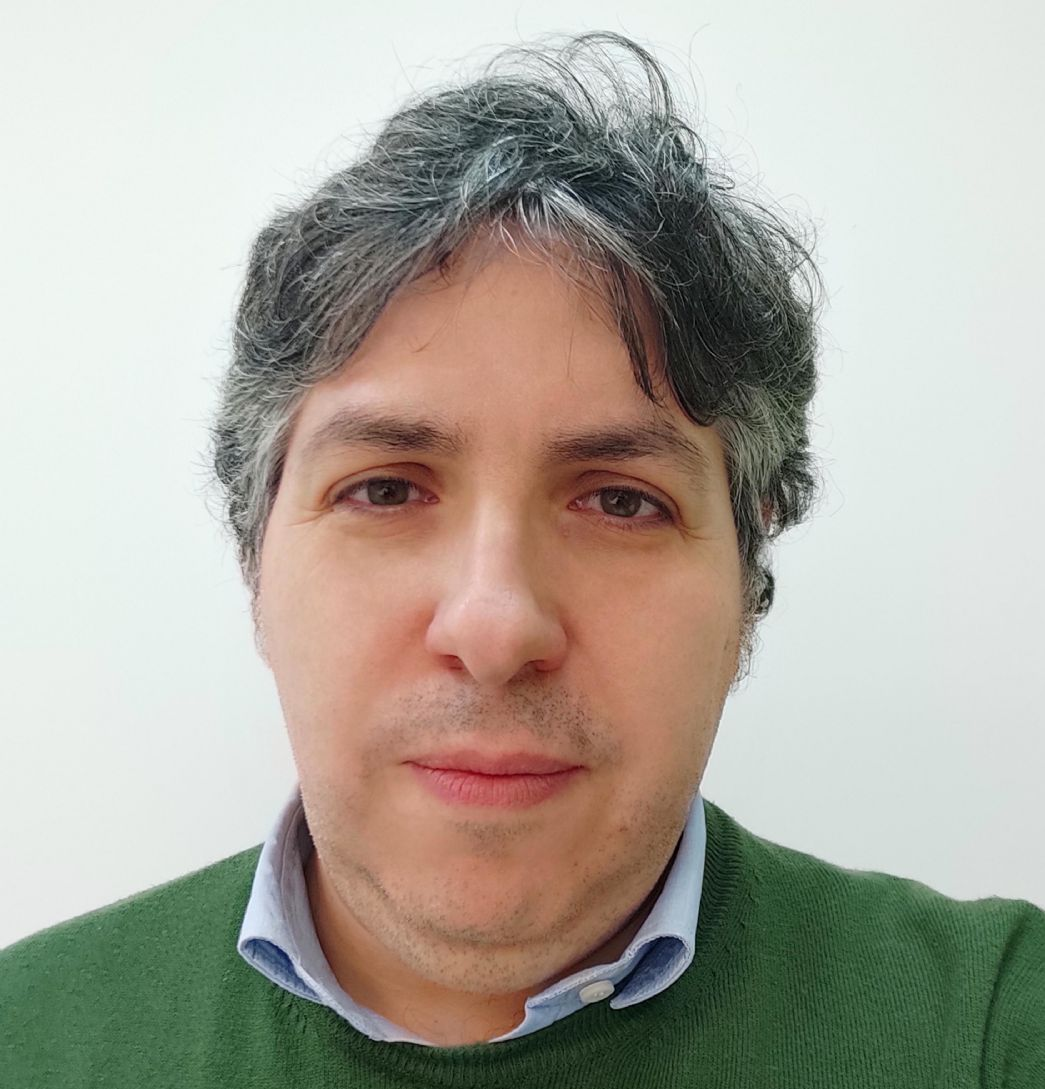
Andrea Sgambelluri
SDN Agents for IPoWDM Routers and Coherent Pluggables
Mina Doosti is a Chancellor's Fellow (UK equivalent of tenure-track assistant professor) at the School of Informatics, University of Edinburgh (since fall 2023) and at Quantum Software Lab. Before that, she was a senior postdoctoral researcher at the University of Edinburgh and a recipient of the QUICS Hartree Fellowship from the Joint Center for Quantum Information and Computer Science in Maryland. She received my PhD from the University of Edinburgh under the supervision of Elham Kashefi and Myrto Arapinis. She completed my M.Sc. and B.Sc. in physics at Sharif University of Technology, Tehran, Iran. Her research covers three main areas within quantum information and computing and their intersection: quantum cryptography, quantum learning theory and quantum foundations. She has pioneered the field of quantum hardware security, and she enjoys exploring the deep connection between learning theory and cryptography.

Mina Doosti
Quantum Physical Unclonable Functions: Foundations and Applications
Philip Russell obtained his doctorate in 1979 at the University of Oxford, and subsequently worked at universities and research centres in Europe and the USA. In October 2005 he moved to the University of Erlangen, and in 2009 co-founded the MPI for the Science of Light. Following his retirement, in April 2024 he became scientific director of the RCALS Centre for Advanced Lightwave Science in Hangzhou, China. He is a Fellow of the Royal Society and Optica, a Foreign Member of the Chinese Academy of Sciences, and has won a number of awards including the 2000 OSA Fraunhofer/Burley Prize, the 2005 Thomas Young Prize of the Institute of Physics (London), the 2005 Körber Prize for European Science, the 2013 EPS Prize for Research into the Science of Light, the 2014 Berthold Leibinger Zukunftspreis, the 2015 IEEE Photonics Award and the 2018 Rank Prize for Optoelectronics.
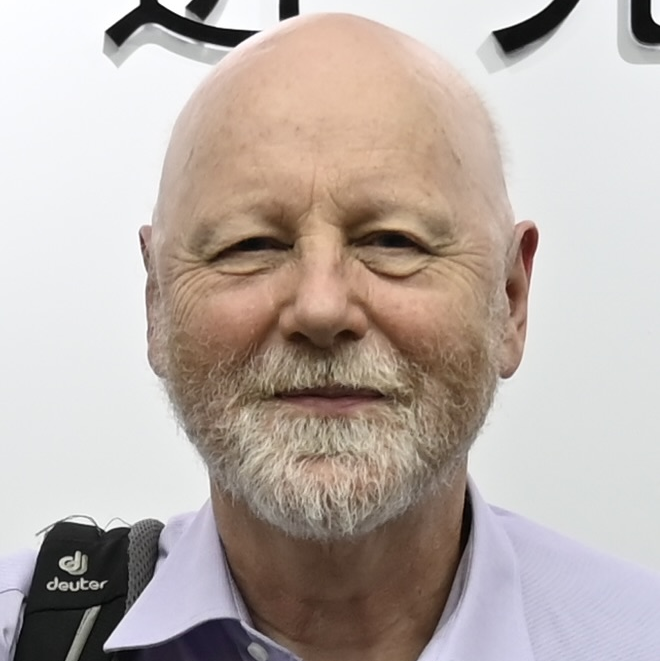
Phillip Russel
Hollow Core Photonic Crystal Fibre: Perfect Light Pipe?
Kerry Vahala is a Professor of Applied Physics and the Jenkins Professor of Information Science and Technology. His research focuses on optical microcavities and their application to compact frequency and time systems, microwave sources, parametric oscillators, astrocombs, and gyroscopes. Vahala has also made contributions to cavity optomechanics and to the development of chip-based devices for cavity-QED phenomena. He is a member of the National Academy of Engineering and a Fellow of both IEEE and Optica. His honors include the Charles Hard Townes Award from Optica for work on microresonators and nonlinear oscillators; the IEEE Sarnoff Medal for research on quantum-well laser dynamics; the Alexander von Humboldt Award for advancements in ultra-high-Q optical microcavities; a NASA Achievement Award for the application of microcombs to exoplanet detection; and the Optica Paul F. Forman Team Engineering Excellence Award for the development of a two-photon optical clock. Vahala earned his B.S., M.S., and Ph.D. from Caltech.
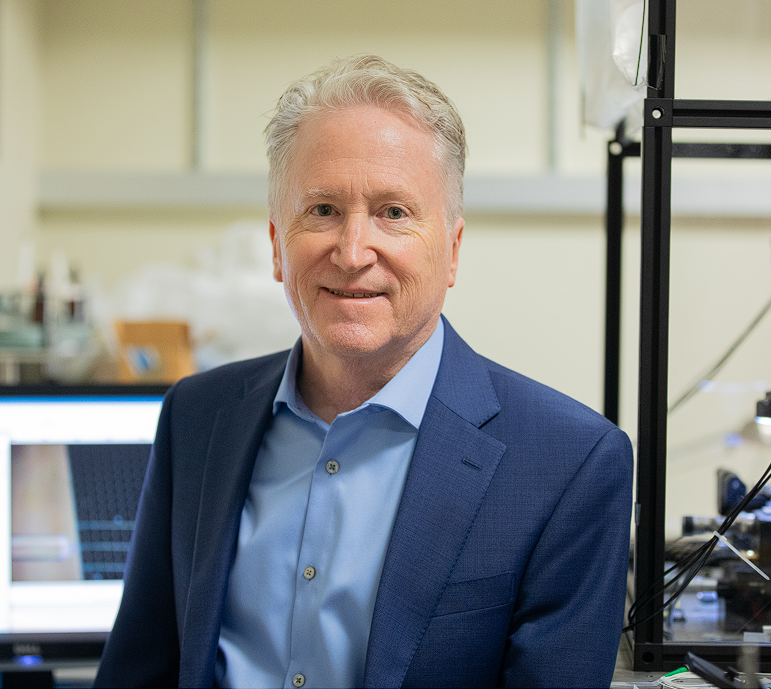
Kerry Vahala
High-Q Integrated Photonics
Our website uses technical cookies to ensure the proper functioning of the site and to provide an optimal user experience. These cookies are essential to enable navigation on the site and access secure areas. We do not collect any personal information through these cookies and they cannot be disabled as they are necessary for the operation of the site. By continuing to use our site, you accept the use of technical cookies.
Our website uses statistical cookies to collect anonymous information about how visitors use our site. These cookies help us understand how users interact with the site, which pages they visit most frequently, and how they arrived at the site. The information collected through these cookies is used exclusively to analyze and improve the performance of the site, as well as to conduct market studies. We do not collect personally identifiable information through these cookies.
_ga
Used to send data to Google Analytics about the visitor's device and behavior. Tracks the visitor across devices and marketing channels.
Expiry: 2 Years | Type: HTTP
_ga_#
Used to send data to Google Analytics about the visitor's device and behavior. Tracks the visitor across devices and marketing channels.
Expiry: 2 Years | Type: HTTP
We use third-party cookies for the purpose of measuring and statistically analyzing users' utilization and navigation on the website. You can ALLOW ALL cookies to accept them all, ALLOW SELECTION to configure your preferences, or DECLINE to reject them. You can find more information in our Cookie Policy
Privacy Policy | Cookies Policy